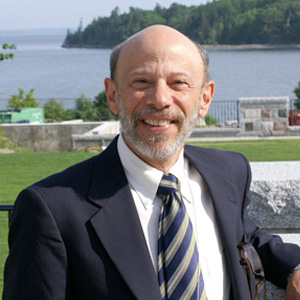
Posts by: Dr. Bruce Wampold, PhD
Dr. Wampold is the Patricia L. Wolleat Emeritus Professor of Counseling Psychology at the University of Wisconsin—Madison and Director of the Research Institute at Modum Bad Psychiatric Center in Vikersund, Norway. He is a Fellow of the American Psychological Association, Board Certified in Counseling Psychology by the American Board of Professional Psychology, and is the recipient of the 2007 Distinguished Professional Contributions to Applied Research Award. His current work is summarized in The Great Psychotherapy Debate (with Z. Imel, Routledge, 2015).
Why Individual Feedback Is Essential For Psychotherapy Students
In his ground-breaking 2007 paper called “The Making of an Expert,” Anders Ericsson wrote, “The development of expertise requires coaches who are capable of giving constructive, even painful, feedback. Real experts are extremely motivated students who seek out such feedback.” The Swedish-born cognitive psychologist is regarded as the expert on experts and before his passing in 2020 at the age of 73, he amassed a library of research about deliberate practice and how feedback is a critical element to develop expertise in an area.
Skill Building in Alliance Rupture Repair for Psychotherapy Courses
Psychotherapy is a complex endeavor. A therapist meets with a client typically once a week for approximately one hour. This relatively brief interaction produces remarkable benefits. Indeed, there is convincing evidence that psychotherapy is an effective treatment for a variety of mental health disorders and psychological problems.
3 Reasons Why Psychotherapy Is Not Progressing As a Field
When he was pitching his idea for a children’s theme park, American-icon Walt Disney was turned down over 300 times by various bankers and financiers. It’s a hard statistic to believe, especially considering over 150 million people make annual visits to Disneylands in Los Angeles, Hong Kong and Tokyo as well as Disney World in Florida. According to Walt Disney, being rejected that many times by financial institutions helped him hone his ideas and in so doing, he revolutionized the theme-park landscape.
How Dr. Jesse Owen Helped Shape Skillsetter
For a guy who was just awarded $2 million, Dr. Jesse Owen is remarkably down-to-earth. He’s speaking on the phone from his home in Denver, Colorado, about the weather, the hikes he’s done this summer, and what it was like growing up in Indiana. It’s the type of conversation you’d enjoy with a neighbour, but in this case unique phrases such as “confirmation bias” and “cognitive complexity” are being used liberally. Also, your neighbour would probably be more interested in talking about the multi-million dollar grant they were given versus the unseasonably warm temperatures.
What Is Cultural Humility and How to Foster It?
What three adjectives come to mind when you hear the words “Trump supporter”? This question is part of a lesson plan Dr. Jesse Owen teaches around the concept of cultural humility, and he says that most therapists-in-training have a reaction when asked. “It’s really interesting because the reactions can be strong and in a lot of cases negative,” he says. “But let’s take a deeper look. Is everyone who supports Trump a racist, for example? Where do those beliefs come from? And if you’re a psychotherapist, what would you do if you were sitting across from a client and they told you they were a Trump supporter?”
Why Bruce Wampold Co-founded Skillsetter
Dr. Bruce Wampold is one of the foremost counselling and psychotherapy researchers in the world and he predicts a big shake-up in the industry’s education. This is Why. “It’s like giving feedback to a basketball player by saying, ‘You had a pretty good game,’ but that’s it. Nothing specific. That’s not the way you learn.”
What Can Therapists Learn From Concert Pianists?
Picture for a moment a young musician who wishes to become a concert pianist. She attends the Royal Conservatory of Music for four years and then goes on to earn a Masters degree in music. With her multiple years of training, she believes she can wow audiences around the world, but there’s only one problem: she stops practicing. After defending her Master’s thesis, she no longer trains outside of her performances and, as a result, her song selection stagnates, her skills languish, and invitations to play venues cease.
3 Ways To Improve Psychotherapy Services
Writer Kristen Moran spoke with award-winning psychotherapist Bruce Wampold at his home in Madison, Wisconsin, to learn about why the field of psychotherapy needs to make changes in terms of the training of its practitioners and how best to go about instigating those changes. Below is the interview.
Who Are Effective Therapists?
Psychotherapy is remarkably effective but we should not be too complacent about this conclusion. Psychotherapy results in a better outcome than would otherwise be the case in about one out of three clients, which compared to many medical treatments is actually very good. But we can do better, of course. Some therapists achieve better outcomes than others—that is, some therapists consistently help clients, while others do not. This raises a truly important question: What are the characteristics and actions of effective therapists?
Why Therapists Don’t Improve, And How They Could
How time flies. I have been researching, practicing and supervising psychotherapy for over 35 years. When I began graduate school Hans Eysenck’s claims that psychotherapy was not effective, and likely harmful, was widely disseminated and believed. To say the least, it was not an optimistic time to be in training to become a psychologist.